Be Healthy
Classes are designed for any level of physical fitness and include more than 6 fitness areas. The duration of classes is from 15 to 60 minutes. All workouts are designed so that you can practice without additional equipment or at home.

8 reasons for the degradation of fight scenes.
Over the years, an increasing number of exotic martial arts have been incorporated into fight choreography. However, it is not always possible to craft an engaging bout from a set of techniques. Some overuse repetitive combinations of strikes, whilst others simply choreograph fights without imagination, relying on set patterns. And some cannot find a balance between striking and blocking or parrying, turning the fight into something resembling a light sparring session.
Long pauses between blows, moments of stillness when struck. Slow pace, stiff movements, and blows that fly too far past the opponent (this is less common nowadays). All of this stems from a fear of injuring the actor or actress. Sometimes this arises simply because of the creator’s careless attitude towards the process (Nolan’s The Dark Knight Rises illustrates this perfectly).
When a filmmaker wants to show off whilst shooting an action scene, it’s usually the cinematography that takes centre stage. Sometimes it works out well, and sometimes ambition outweighs talent. Shooting an action scene in one take is one of the biggest trends around. It’s even started to be used in TV series. But continuous shooting (or the illusion of it) doesn’t necessarily mean the choreography will be up to scratch.
Rapid-fire footage, or fast-motion filming, is used to create a slow-motion effect. It works well when used sparingly, allowing the viewer to feel the impact of a blow or the sharpness of a turn. But when it goes on for too long, the fight looks sluggish and the blows seem weak. A drop in momentum during a fierce battle is a death knell.
One of the most popular ways to hide flaws in the choreography is to break each scene down into small pieces, so that a single short segment consists of numerous cuts. This increases the dynamism and strains the eyes. This style is characteristic of director Olivier Megaton (‘The Transporter 3’, ‘Hostage 2–3’).
A battle against a high-calibre opponent—be it the main villain, his right-hand man, or perhaps a major henchman, as in Die Hard—needs to be a real contest. Otherwise, what’s the point if the hero breezes past every obstacle with ease? What’s the fun in watching a fight where one of the characters acts as a punching bag? Not everyone manages to strike this balance.
Even now, it’s not always possible to convincingly replace a human actor with a computer-generated model in a fight scene. And back when this first started, it looked absolutely dreadful. Modern fight scenes continue to suffer from the inappropriate use of computer graphics
The first-person perspective was used long before the Jason Bourne films. For example, in Saving Private Ryan, it worked well and didn’t make it difficult to see what was happening on screen. But for fight scenes, it was a novelty. And no matter how much you try to justify it with the ‘sense of presence’ or the desire to create atmosphere, it still looks awful
40 YERS OF EXPERIENCE
All sessions are tailored to your physical conditionS.
Choose the style that suits your task.
A trainer who will ensure safe and effective training
Learn to defence and take part in action scenes
Classes are designed for any level of physical fitness and include more than 6 fitness areas. The duration of classes is from 15 to 60 minutes. All workouts are designed so that you can practice without additional equipment or at home.
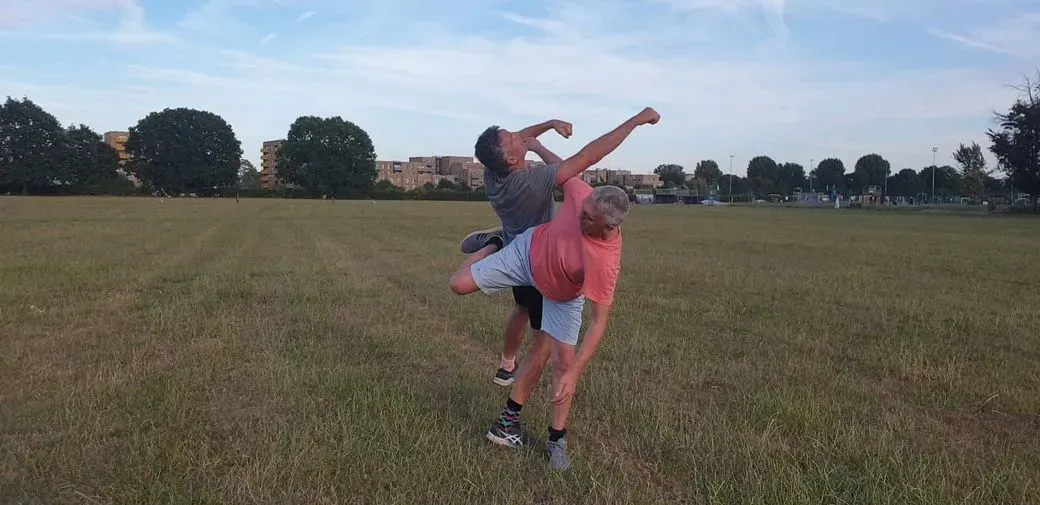
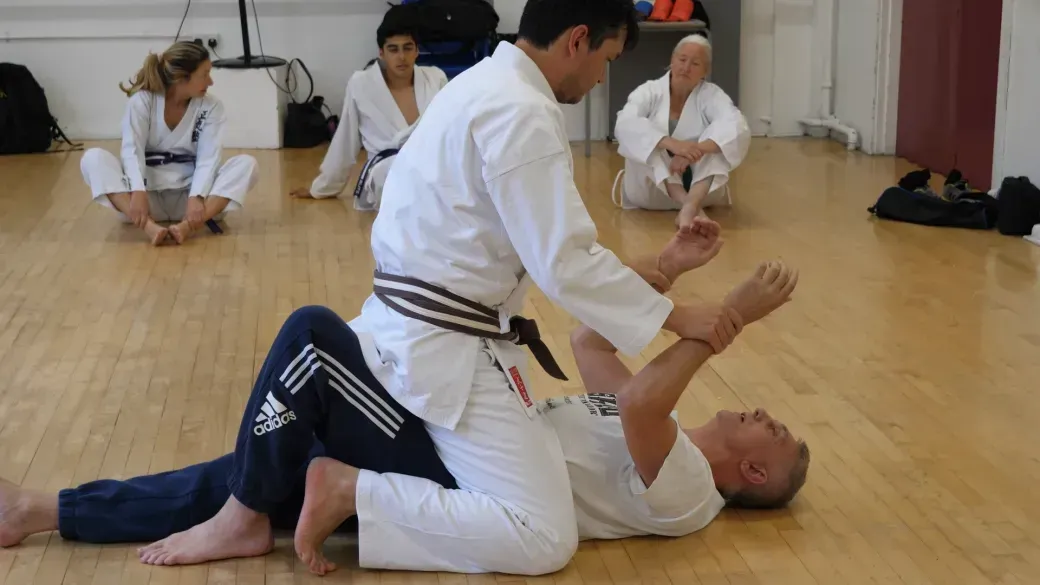
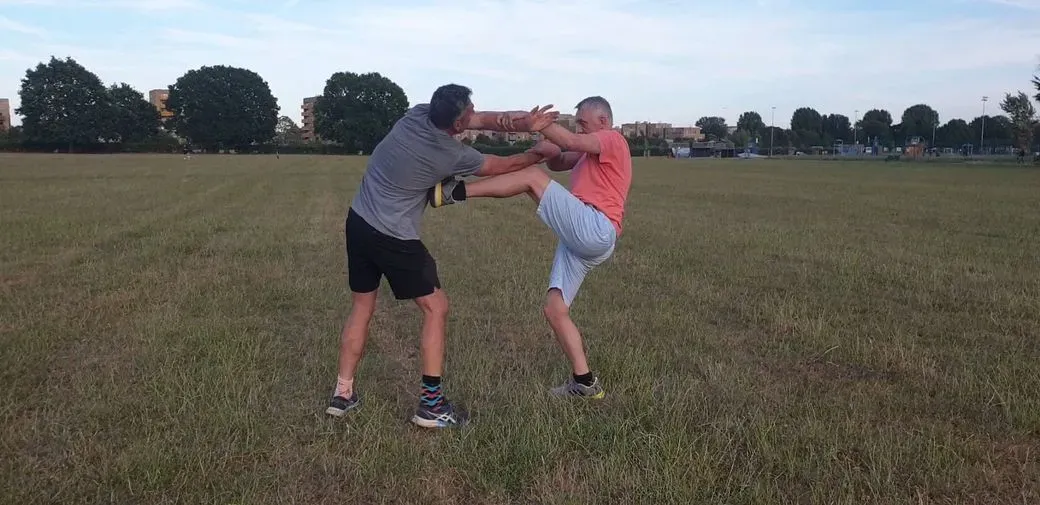
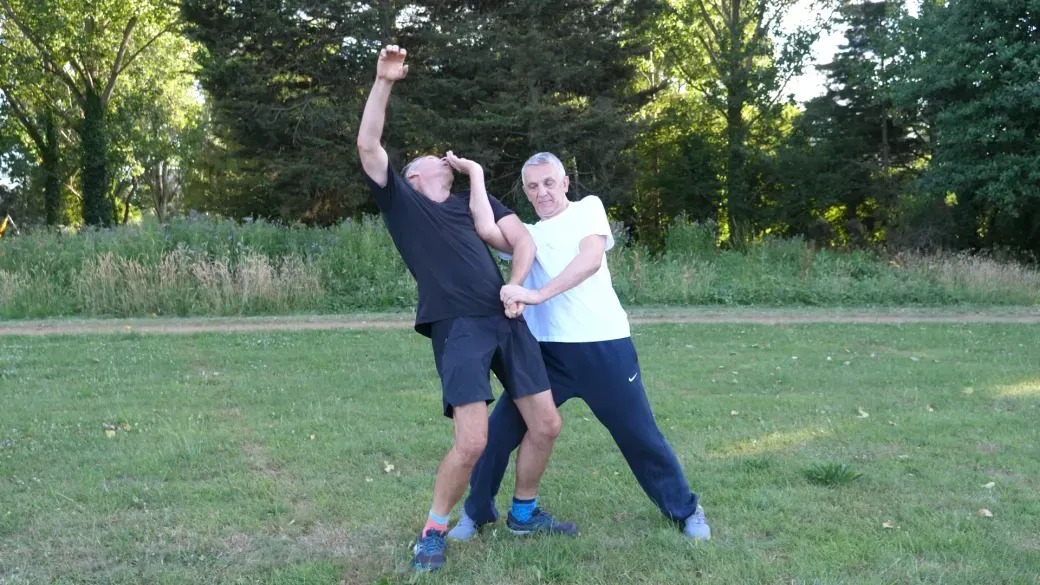
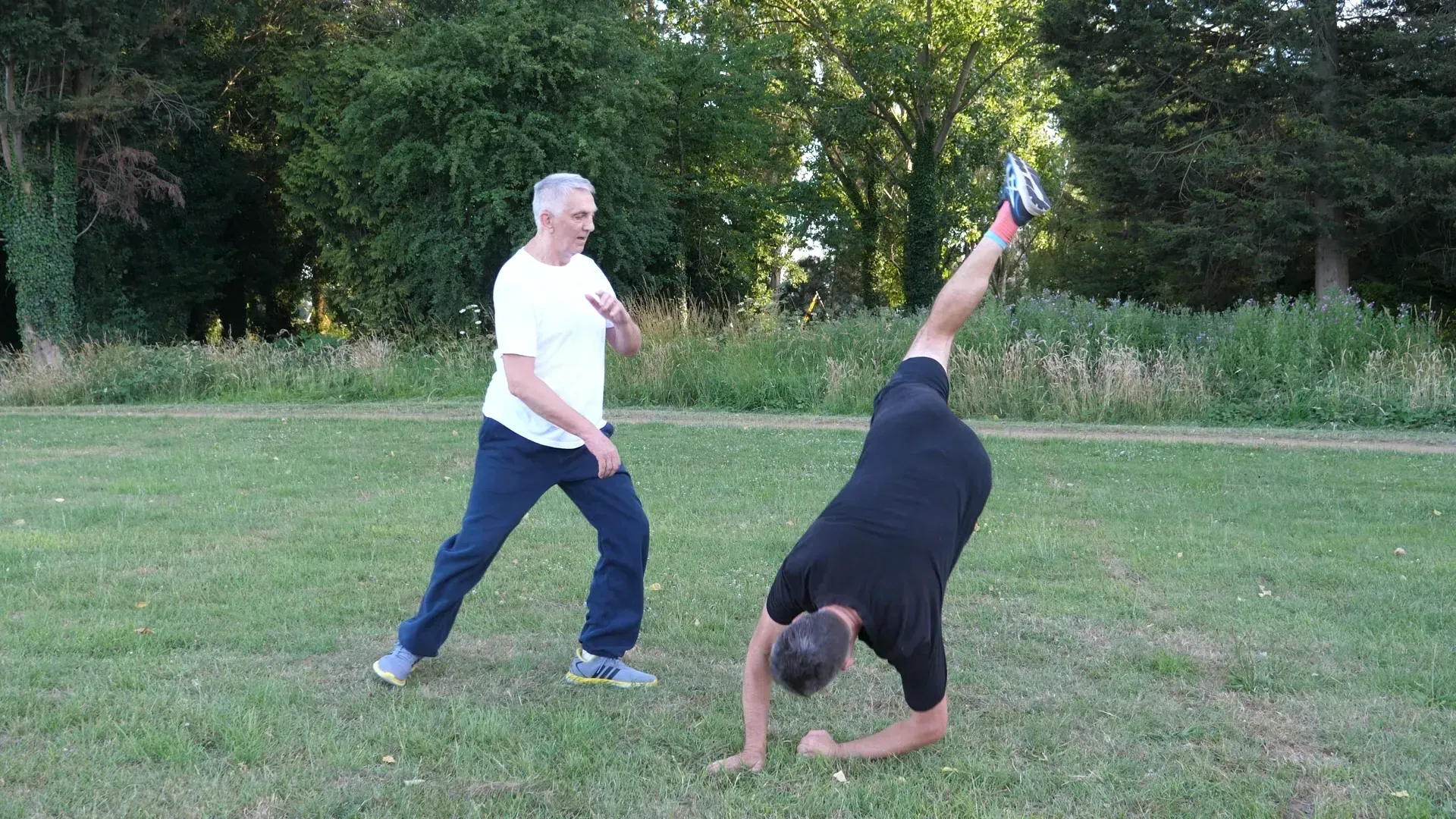
A variety of gentle movements during Taichi Wu training activate not only muscular activity, but also breathing and diaphragm movements are well worked out
The heart is stimulated, the gastrointestinal tract and other internal organs are activated
The student's mind concentrates, discarding all distractions
Wu Taijiquan's style focuses on "transformation by softness", his movements are light, natural, consistent and continuous, outwardly refined, and have high mobility
The comprehensive nature of training, expressed by one feature – "once you move alone, there will be nothing that would not move
This is explained by the fact that in the movements of Chung Yang Man, as in swimming
All parts of the body are involved, that is, when the arm moves, both the legs and the whole body move simultaneously
One of the directions of Wudang
Develops coordination of body movements and positions
Shaking the body and arms, twisting and stretching, bending and moving the belt, along with soft grips
Stick with your hand and body, twist and change direction - basic style techniques
When you encounter strength, leave the heaviness, aim for lightness and try to find balance